


Travel can be much more than simply moving from one place to another. It can be a way of understanding a country from within, connecting with everyday life respectfully, and creating meaningful bonds that leave a lasting impact both on the traveler and on the communities that welcome them. When we talk about responsible and conscious tourism in India, this is exactly what we mean: a way of exploring the country with greater awareness, deeper context, and genuine purpose. At Tours By Her, we design experiences together with local women to offer an authentic perspective on daily life, history, and the cultural richness of India through a local and female lens.
We do not see India as a checklist of monuments or as a destination to be consumed quickly. We see it as a living, diverse, and complex country that deserves to be experienced through human connection, cultural immersion, and meaningful encounters with the people who call it home. That is why our experiences aim to create genuine connections, support women’s independence, and promote female empowerment and cultural preservation, generating transformative experiences both for travelers and for the communities that welcome us.
Our project was born in India, a country that taught us to see the world differently. From that experience comes our understanding of travel as a tool for change — one capable of promoting female leadership, intercultural learning, and real opportunities for women and local communities. For us, speaking about responsible tourism, conscious travel, and purpose-driven journeys in India means speaking about a way of traveling that brings together discovery, respect, and positive social impact.
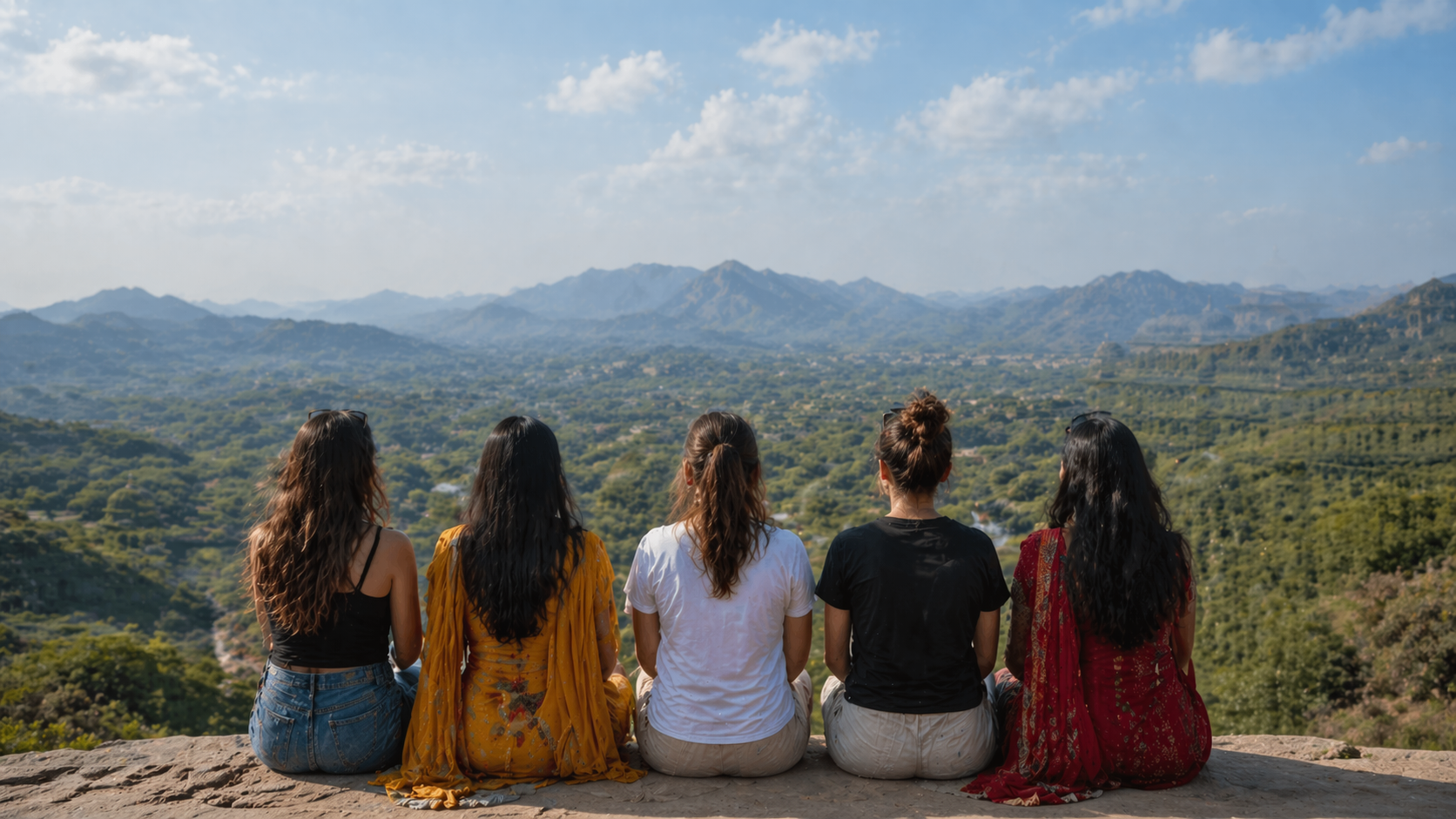
What Do We Mean by Responsible Tourism?
For us, responsible tourism is not just a general intention, but a concrete practice. It means designing experiences that are respectful toward both people and places, where the wellbeing of travelers and local communities matters equally. It also means minimizing environmental impact as much as possible and embracing a way of traveling that is sustainable, mindful, and connected to the territory itself.
This vision is present throughout everything we do in India. From city tours to multi-day journeys and educational programs, we work to ensure that every experience is designed with care, guidance, and purpose. We are not interested in superficial experiences or visits disconnected from their context, but in meaningful immersion that allows travelers to better understand the places they visit, listen to the stories that shape them, and discover the strength of the women who sustain and transform them.
Conscious tourism in India
Speaking about conscious tourism in India means traveling with the awareness that every destination holds a complex reality beyond its most familiar images. That is why we are interested in creating experiences that go beyond the obvious. We want travelers to explore cities, neighborhoods, markets, temples, and communities with a broader perspective, without remaining only on the surface of what they see.
In practice, this means connecting with everyday life in India. It means visiting spaces where culture is lived in the present, sharing moments with local women, learning about community projects, and discovering how history, urban life, spirituality, and traditional crafts continue to shape daily life. It also means understanding that purposeful travel is not only about observing, but about connecting, learning, and allowing yourself to be challenged and transformed by other realities.
Purpose-driven travels
We believe in purpose-driven travel because we believe that travel can open new questions, broaden perspectives, and create meaningful impact. It is not only about where you go, but about how you travel, who you share the experience with, and what kind of relationship you build with the place. In our case, that relationship is rooted in working alongside local women, giving space to their voices, and placing their knowledge at the center of the experience.
That purpose is also connected to creating real opportunities. Our experiences aim to support women’s independence, encourage female leadership, and contribute to communities where access to education, entrepreneurship, and autonomy continue to be essential. That is why our journeys are not limited to simply showing India — they seek to do so through a perspective of respect, collaboration, and shared transformation.
Safety and Trust
An important part of conscious tourism is connected to how people feel during their journey. That is why we place so much importance on safety and support throughout the experience. We work with trusted guides, choose safe destinations, and carefully plan our itineraries so that travelers can enjoy the journey with peace of mind. Our goal is to demystify places that are often perceived as unsafe and show that they can be explored in a thoughtful and worry-free way.
In some multi-day itineraries, this sense of security is further supported by a clear structure that includes accommodation, breakfast, guide services, and transportation; certain journeys also include airport transfers. This logistical foundation allows travelers to focus on experiencing the journey with greater calm, confidence, and openness.
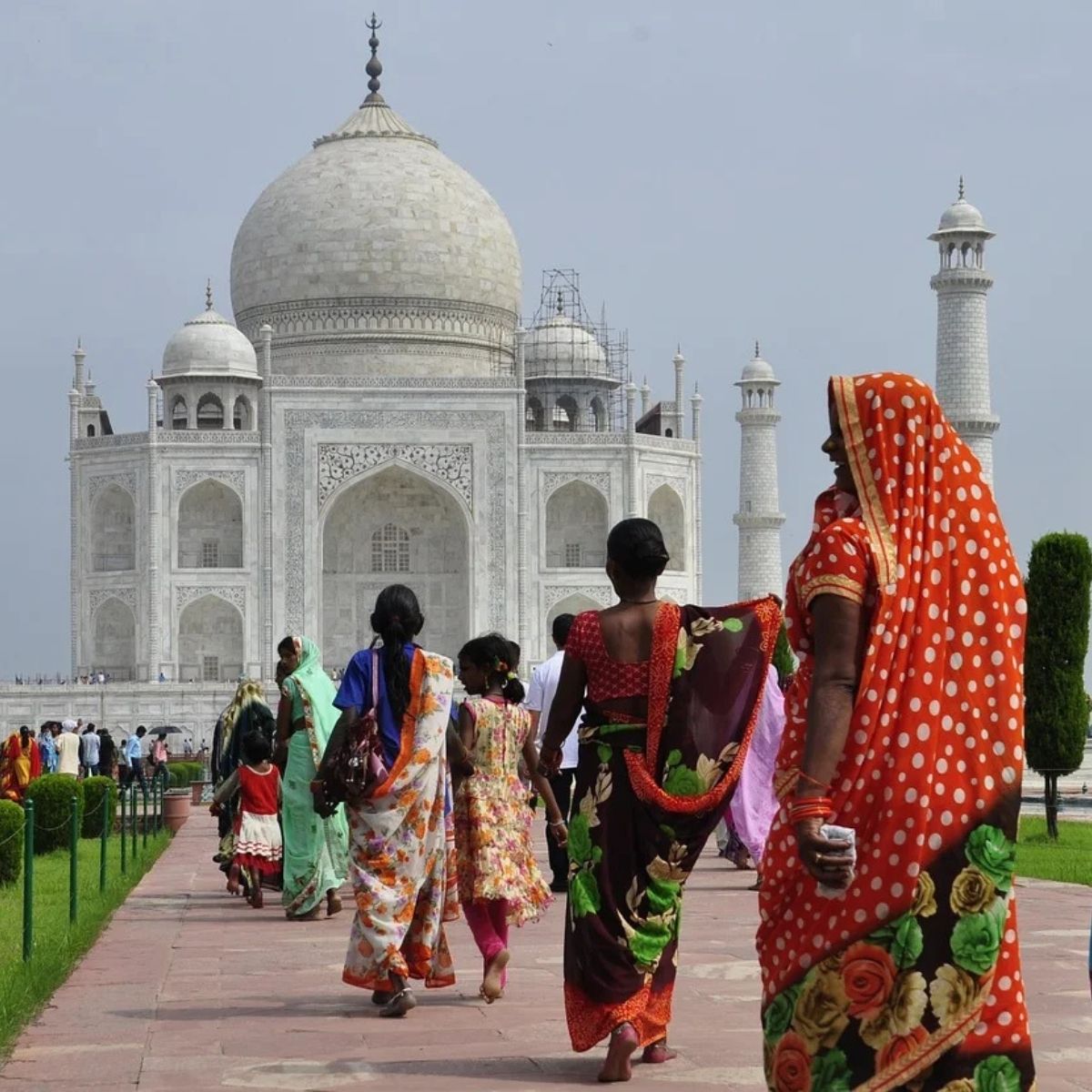
Local women in the centre
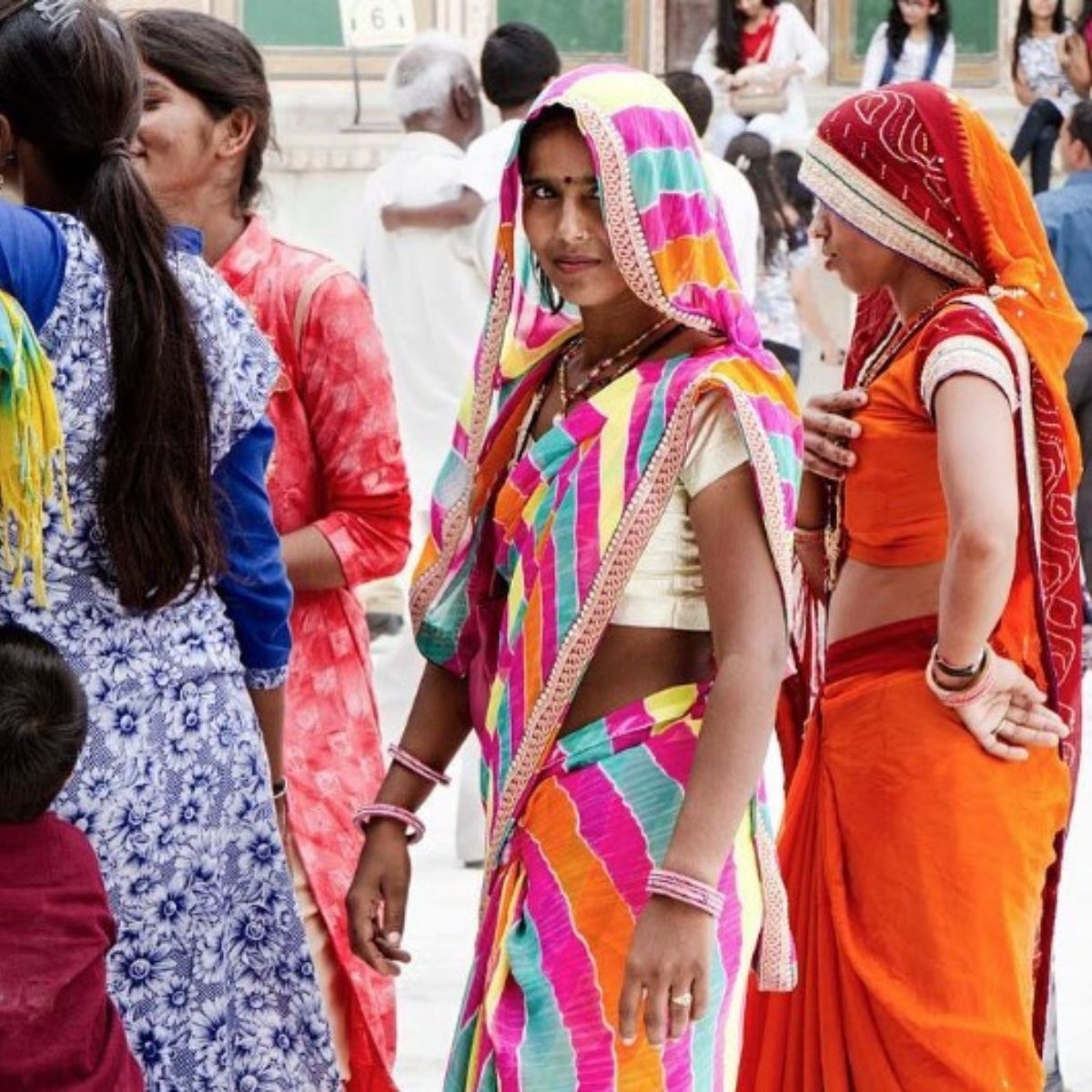
One of the defining aspects of the way we travel through India is the presence of local women as guides, hosts, leaders, entrepreneurs, and agents of change. They are not placed at the margins of the experience, but at its very center. It is through them that travelers gain access to a different perspective of the country — one that is closer to everyday life, more human, and more connected to the social transformation processes taking place across different communities and regions.
This approach becomes especially visible in several of our journeys. In our North India experience, for example, we create opportunities for meaningful encounters with women who are shaping their communities, traditional cooking workshops, rides in women-driven rickshaws, and visits to empowerment initiatives that support girls, women, and resilient communities. In this way, the journey does not simply showcase iconic places, but also highlights the role women play in culture, heritage, and daily life.
Delhi and Local Life
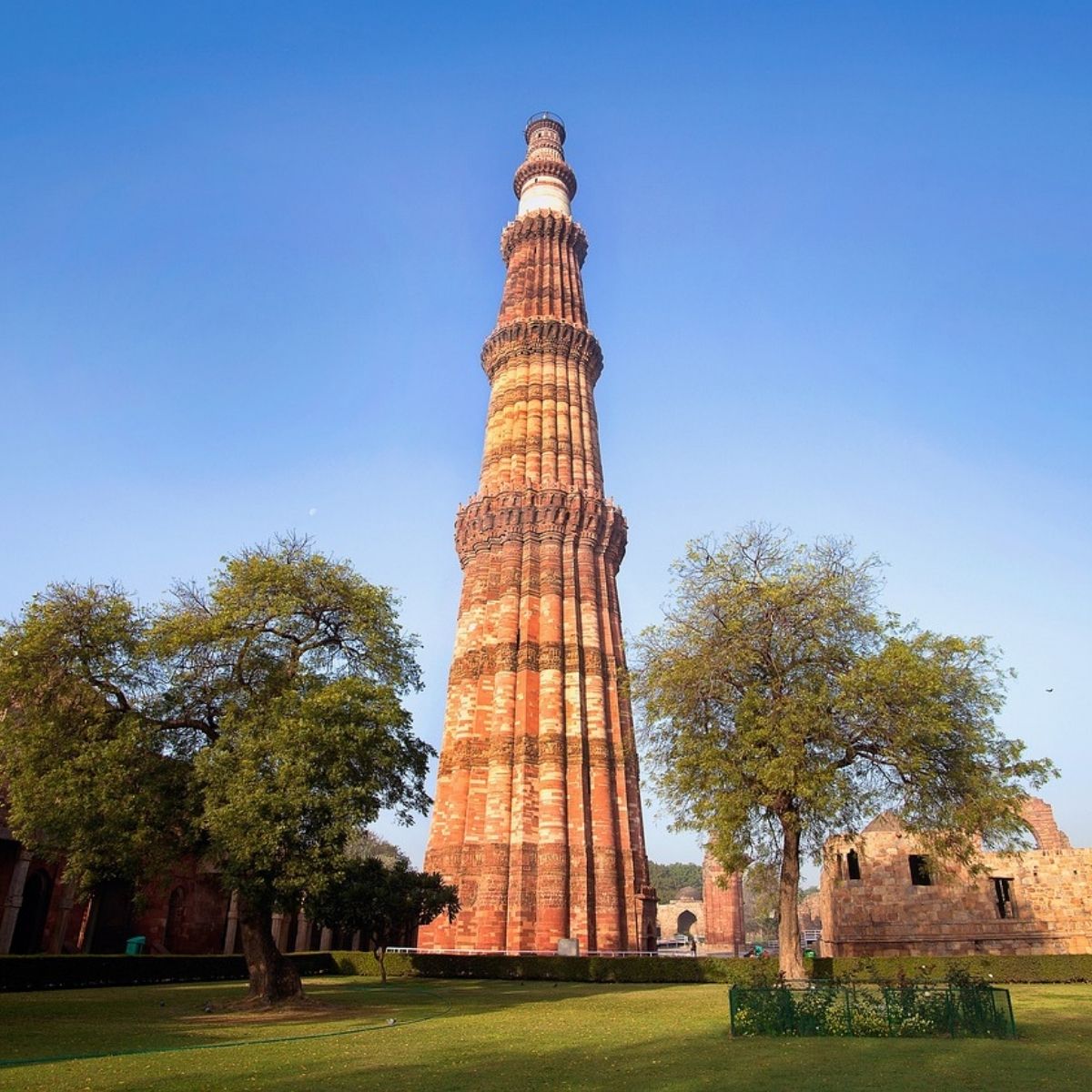
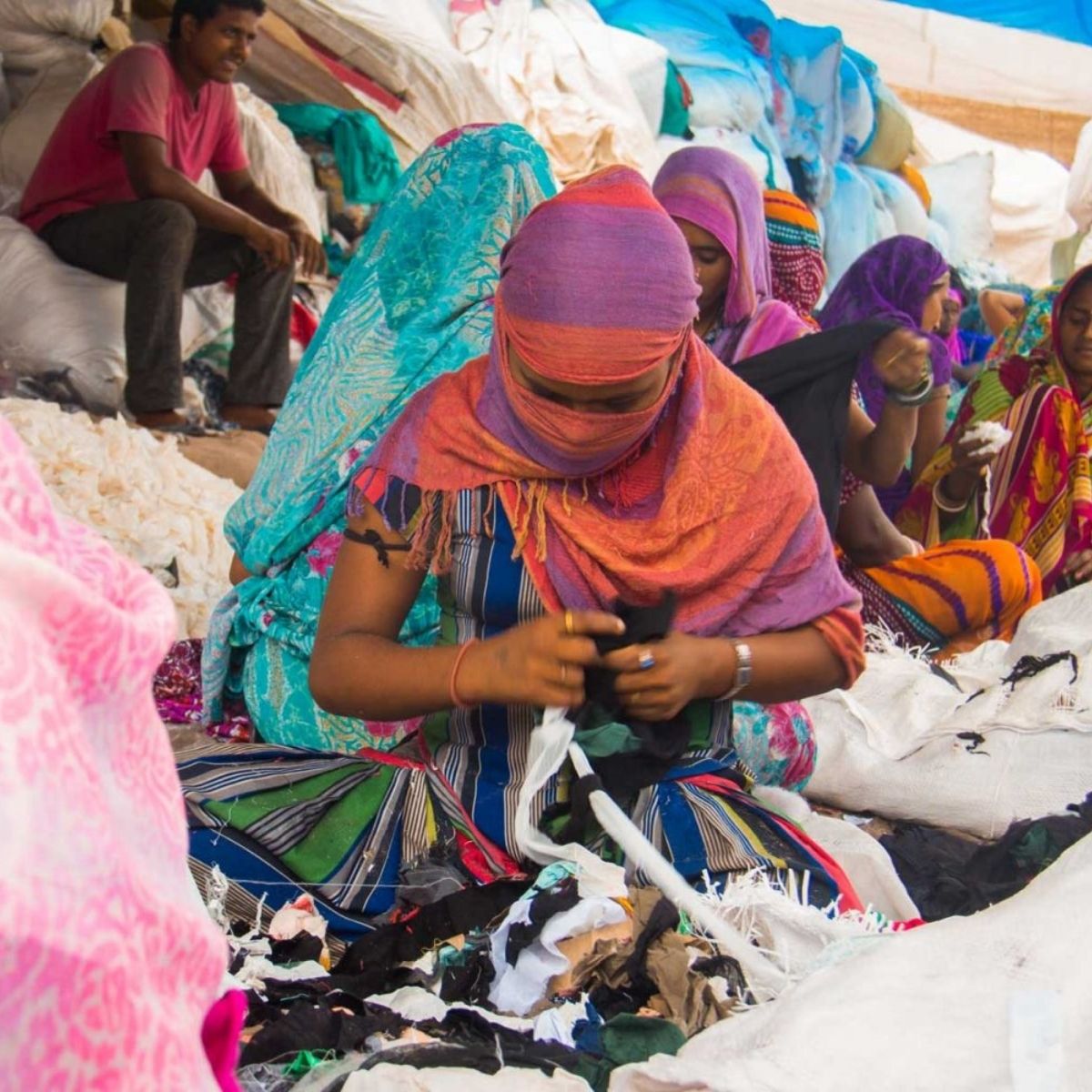
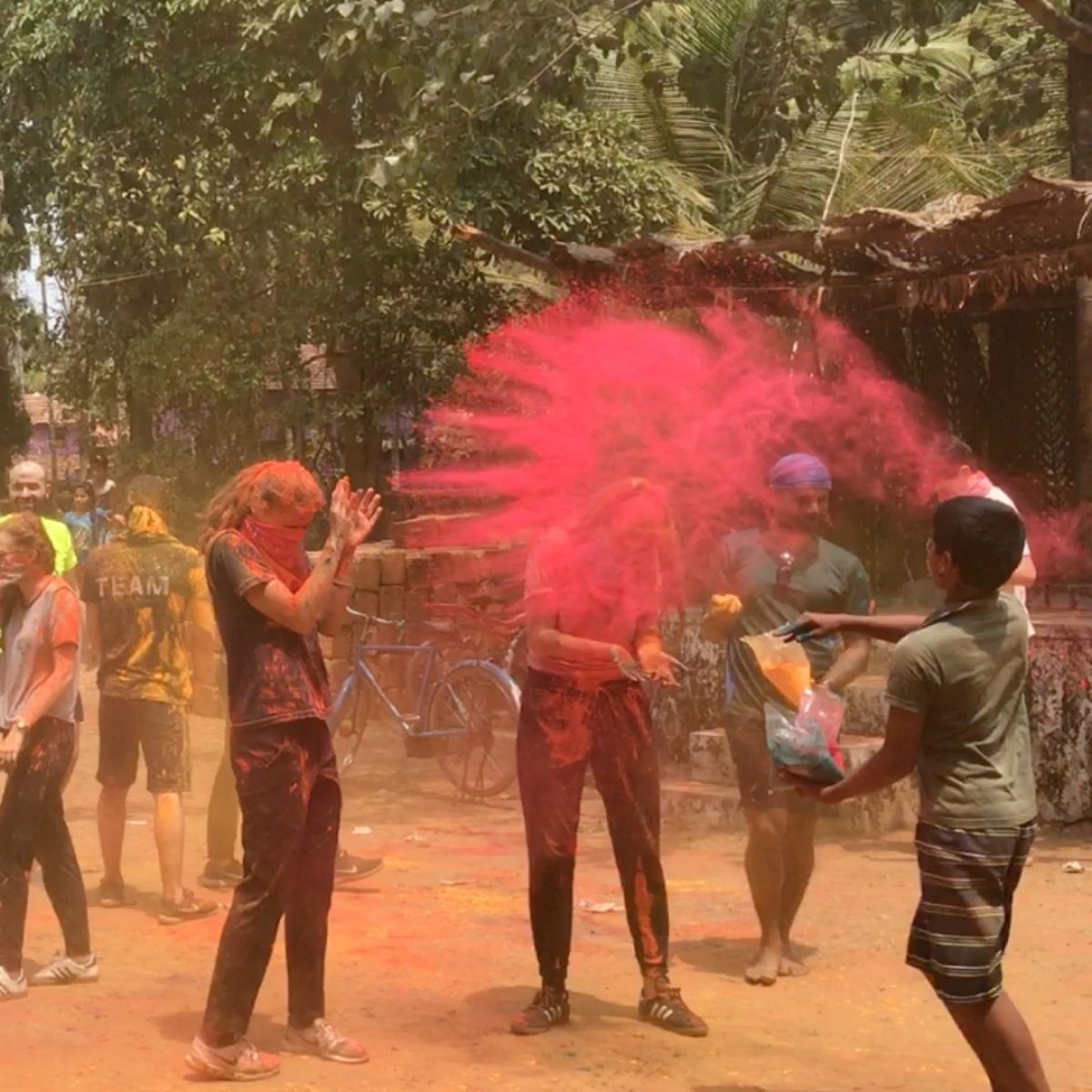
Delhi is one of the places where our vision of tourism with positive social impact becomes most visible. In our experiences, the city is not presented simply as a collection of monuments, but as a space where heritage, urban life, and community projects coexist. In one of our itineraries, the journey begins by exploring Sanjay Colony to discover everyday life and learn about local initiatives supported through responsible tourism, before visiting some of the city’s most iconic landmarks.
This combination reflects our way of traveling: not choosing between the iconic and the everyday, but showing how both dimensions exist together. Delhi can be discovered through places such as India Gate, Qutub Minar, or Humayun’s Tomb, but also through living communities, local initiatives, and experiences that bring travelers closer to the social realities of the city. That is the difference between a quick visit and a meaningful travel experience.

Jaipur, Jodhpur and Agra
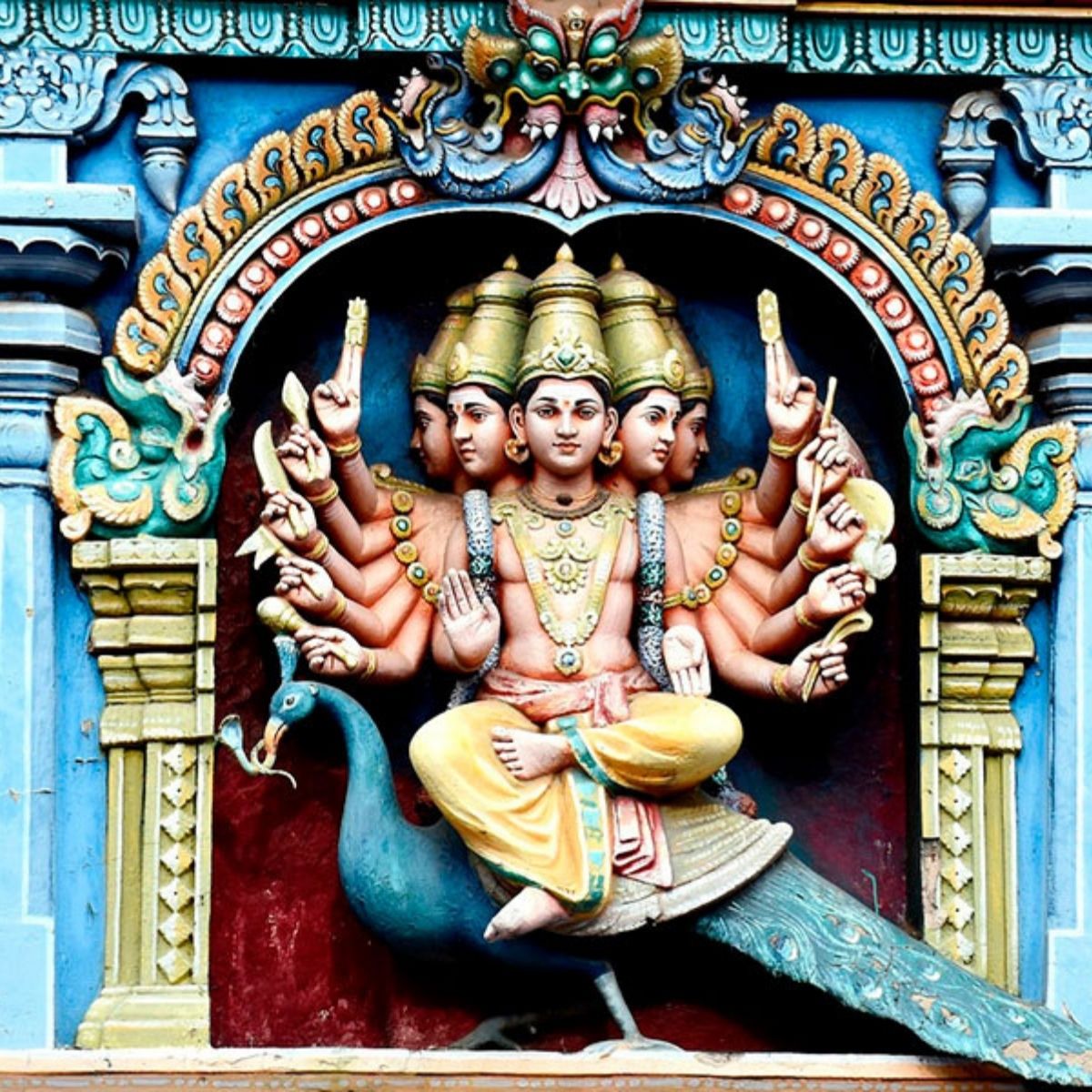
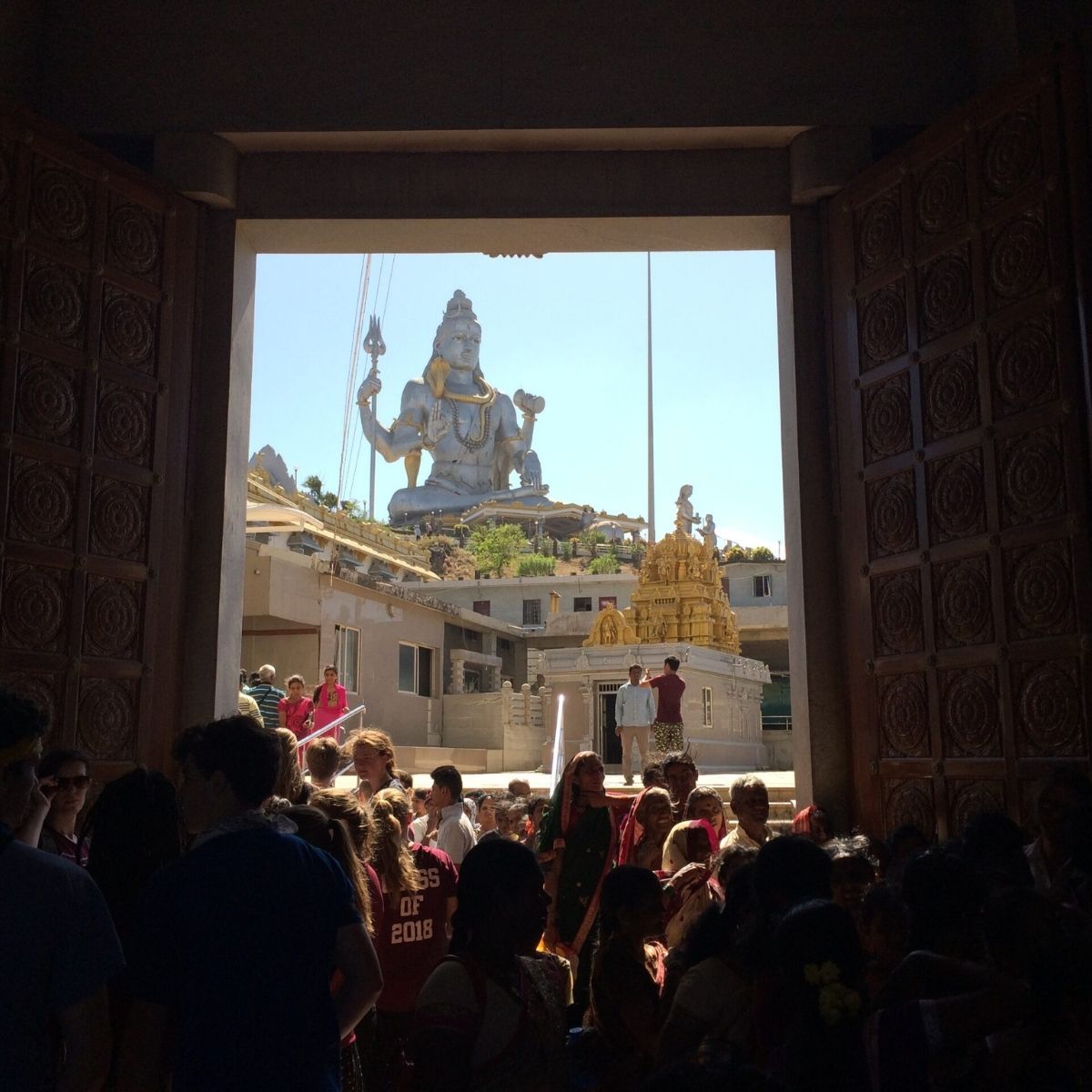
In other cities across northern India, this same philosophy continues. In Jodhpur, we offer not only visits to Mehrangarh Fort, the local market, and the blue houses of the old city, but also opportunities to connect with a local initiative dedicated to empowering women, girls, and LGBTQ+ individuals from marginalized communities through education, training, and holistic support programs. This allows the journey to combine heritage, gastronomy, and urban life with a deeper perspective on inclusion and community wellbeing.
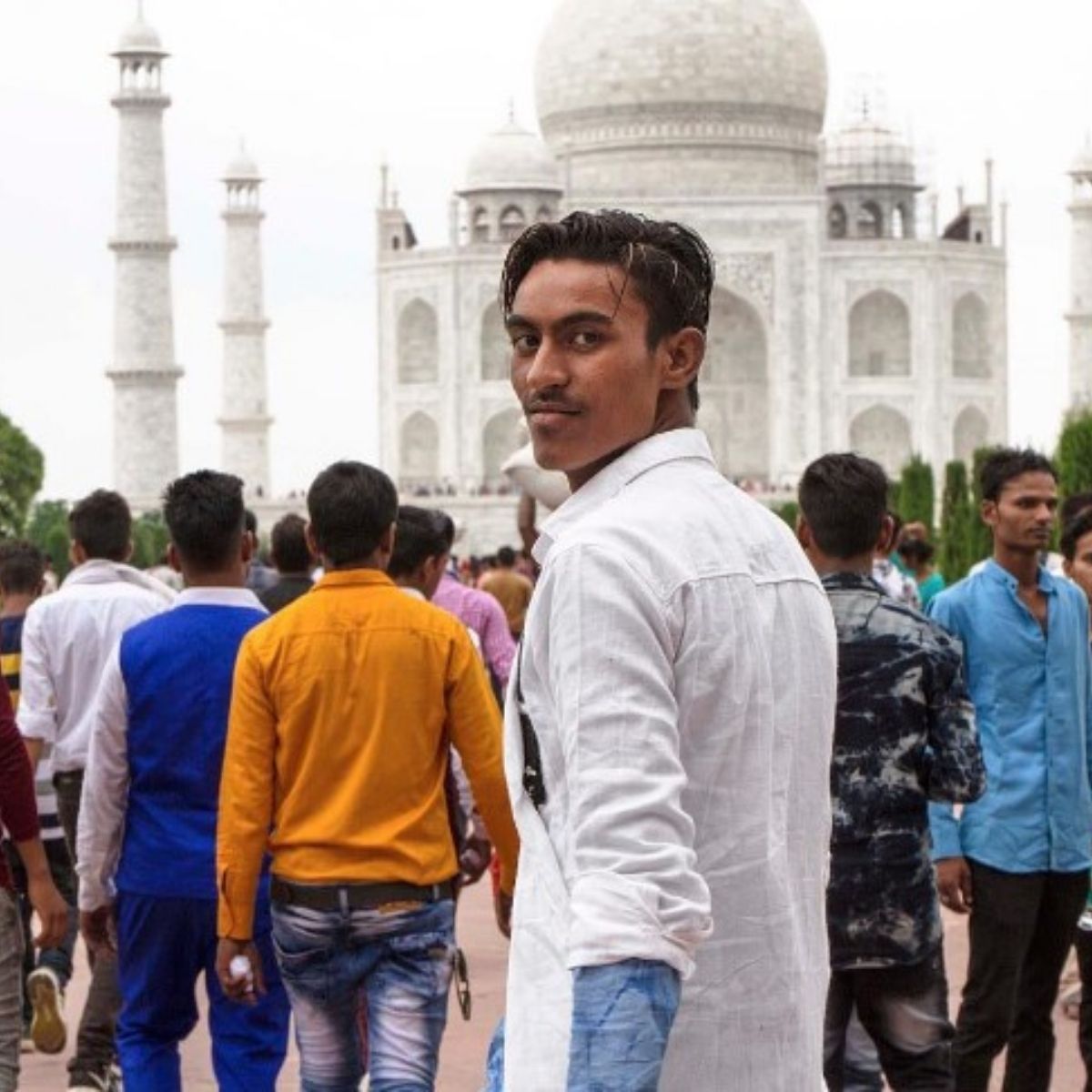
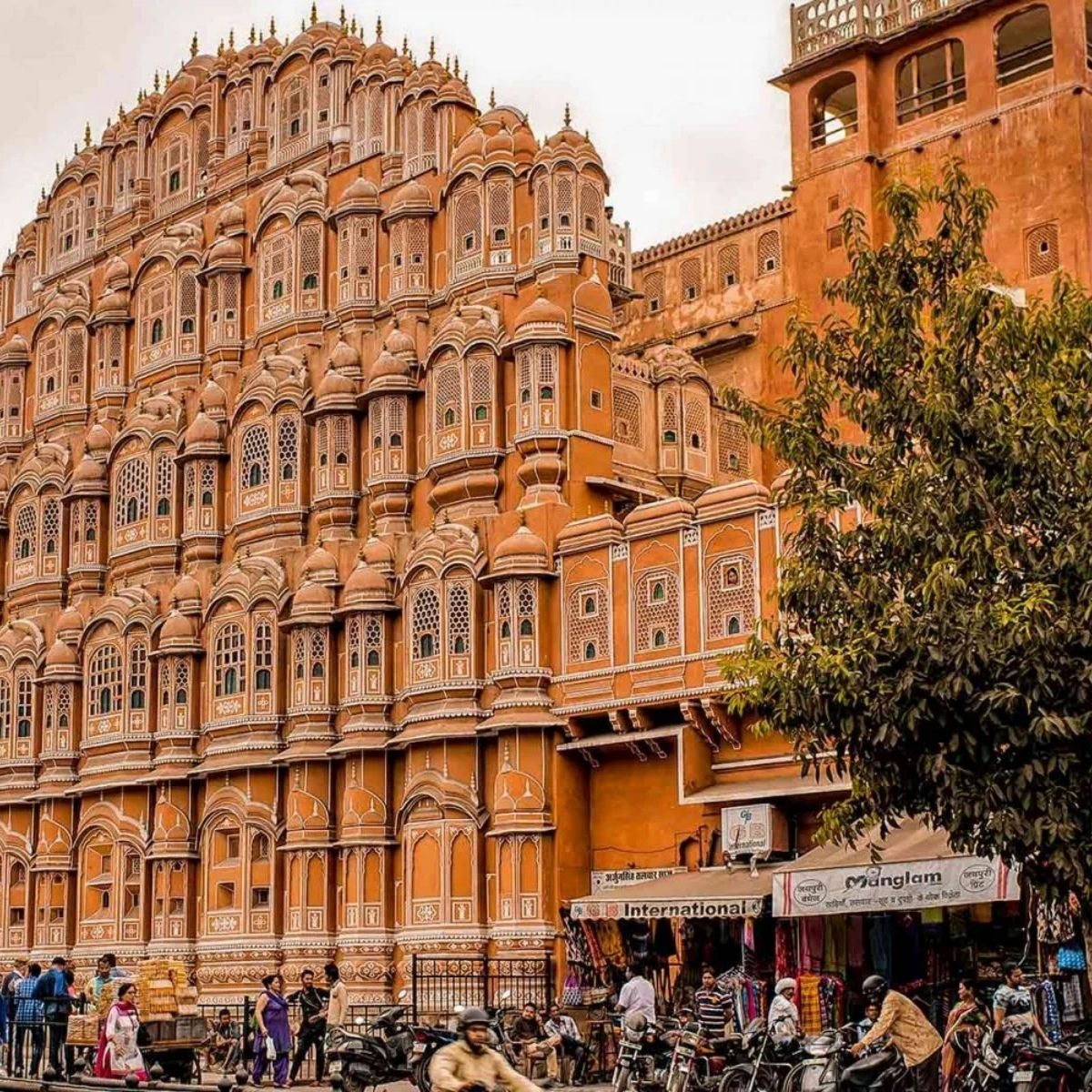
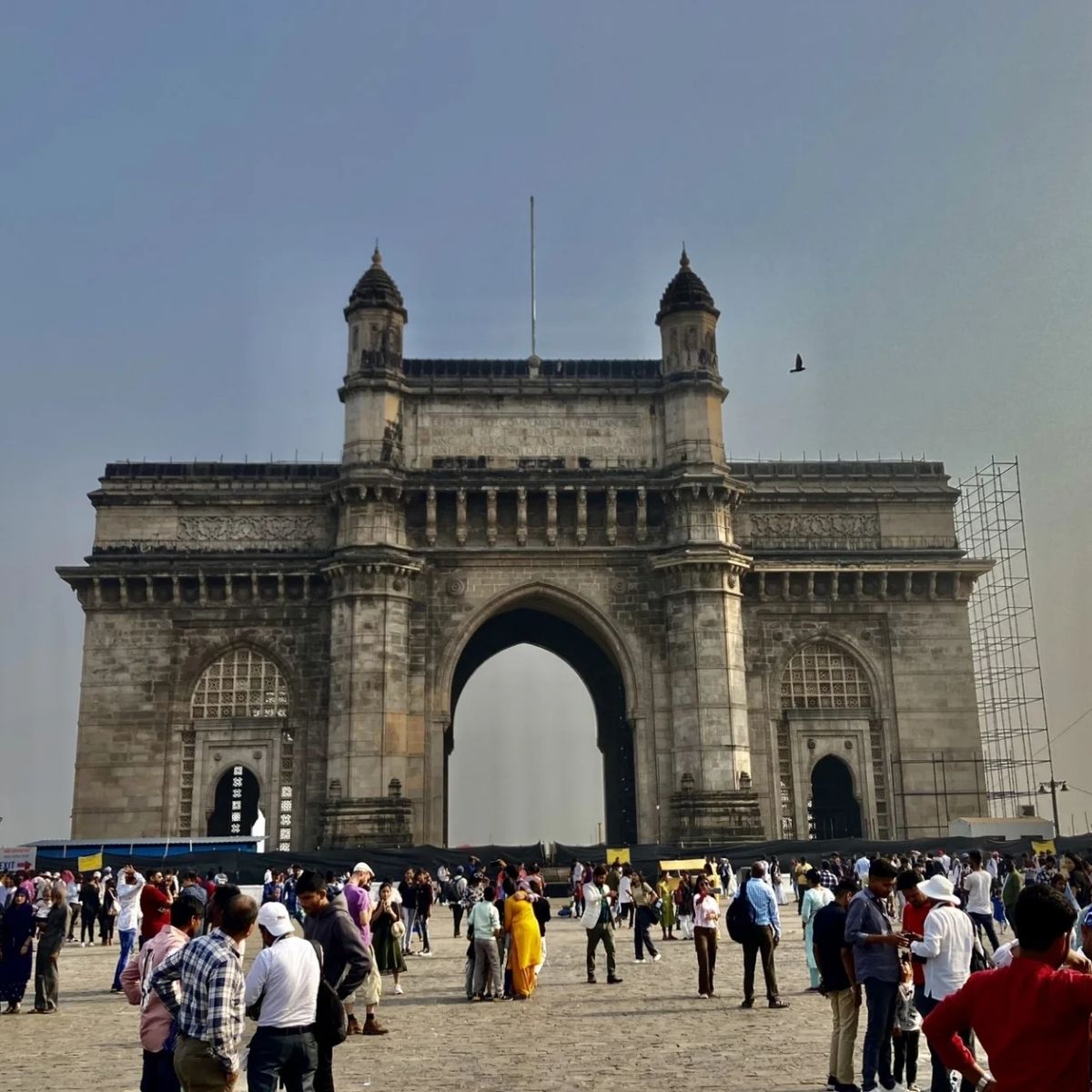
In Jaipur, the experience includes exploring the city in electric rickshaws driven by local women, discovering hidden alleys, traditional crafts, and authentic flavors while experiencing another side of the destination. In Agra, alongside visits to the Taj Mahal and the Agra Fort, travelers also encounter a café managed by women who survived acid attacks, offering a closer understanding of stories of resilience and empowerment. These are concrete examples of how responsible tourism can create genuine connections with people and projects that are actively transforming their communities.
Positive social impact
When we speak about tourism with positive social impact, we mean experiences that go beyond simply observing the reality of others and instead engage with it in a meaningful way. In several of our programs and journeys across India, this dimension emerges through contact with community projects, educational initiatives, organizations working with women and girls, and employment or mobility programs developed through a gender-focused perspective.
In our Golden Triangle and Magical Rajasthan journey, for example, the itinerary combines cultural heritage with a meaningful commitment to local communities. It includes exploring Sanjay Colony in Delhi, visiting educational projects in Jodhpur focused on empowering women and girls, spending a night in Setrawa to learn about local tribal traditions, and connecting in Jaipur with an organization that trains women from low-income households to become rickshaw drivers. This combination of cultural exploration and social impact helps make the journey transformative both for travelers and for the communities involved.
Responsible travel with Positive Impact
We believe that responsible travel with positive impact should be built on a more balanced relationship with the destination. It is not about arriving, observing, and leaving, but about engaging more consciously with the place you are visiting. This requires respect, listening, local guidance, and a genuine willingness to understand contexts rather than simply consume experiences.
That is why our journeys aim to bring together several dimensions at once: cultural discovery, safety, thoughtful organization, and meaningful encounters with women, local communities, and social initiatives. This combination allows travelers to experience India not only through its monuments and landscapes, but also through the life that surrounds them and the people who work every day to transform their communities.
More than monuments
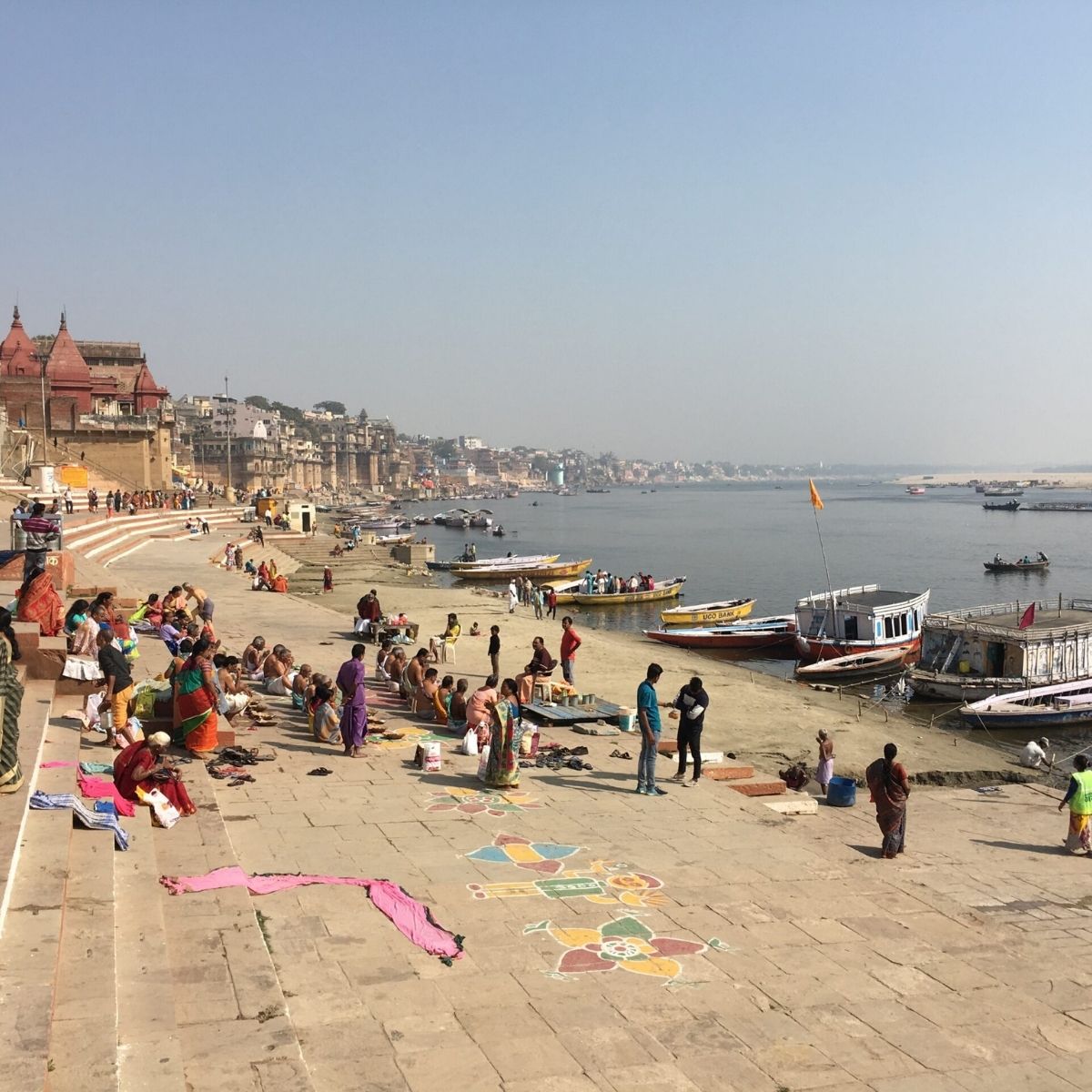
India is a country full of iconic places, and they are naturally part of the experience. The Taj Mahal, Amber Fort, Agra Fort, Varanasi, and the vast urban spaces of Delhi are all included in our itineraries. But what we seek is for these places not to define the entire meaning of the journey. What matters to us is also what happens between one monument and another: the conversations, workshops, local initiatives, shared journeys, markets, meals, and encounters that help travelers understand the country on a deeper level.
This is one of the key ideas behind responsible and conscious tourism in India: not reducing the country to its most familiar images, but making space for everyday life, community experiences, and the stories that often remain outside more conventional travel routes. Traveling in this way means accepting that the destination is more complex, more human, and ultimately far more enriching.
A transformative experience
All of this transforms travel into something more than just a getaway. It can become a transformative experience, one that brings together learning, discovery, and human connection. We are not speaking about transformation in an abstract sense, but about something that happens when travel is experienced with presence, curiosity, and a genuine willingness to understand.
From our perspective, a meaningful journey through India is one that allows travelers to discover the country’s cultural richness without separating it from the people who sustain it; one that creates opportunities for women while also encouraging travelers to look more deeply and thoughtfully; one that combines safety and careful organization with openness, listening, and respect. That is the kind of experience we aim to create in every journey.
Another way of traveling
Responsible and conscious tourism in India is not an empty concept. It is a concrete way of traveling: more human, more local, and more connected to the realities of the country. It means exploring India with respect, being guided by women who deeply understand their communities and contexts, discovering projects and initiatives that are creating real change, and understanding that travel can also be a way to support leadership, education, and empowerment.
When we speak about responsible tourism, conscious travel, purpose-driven journeys, tourism with positive social impact, and meaningful travel experiences, we are ultimately speaking about the same idea: traveling in a way that benefits both those who journey and those who welcome, share, and transform the places being visited. Experienced in this way, India becomes more than just a destination — it becomes an experience of deep connection with its communities, its diversity, and its ability to inspire new ways of seeing the world.
Frequently asked questions about our travels
What does responsible tourism in India mean?
It means traveling in a respectful and sustainable way, promoting the wellbeing of both travelers and local communities while minimizing environmental impact as much as possible.
What makes a journey purposeful?
It is the ability to go beyond simply visiting iconic places and instead create meaningful connections, support women’s independence, promote female empowerment, and engage with local culture through an authentic perspective.
How is conscious tourism experienced in these journeys?
Through immersive experiences with local women, community projects, workshops, guided urban explorations, visits to empowerment initiatives, and thoughtfully designed itineraries that help travelers better understand the context of the destination.
Do these journeys include safety measures?
Yes. The itineraries are designed around safe destinations, trusted guides, and carefully planned routes in order to provide a comfortable and worry-free travel experience.
What are some examples of positive social impact in India?
These include visits to empowerment projects in Jodhpur, rides in women-driven rickshaws in Jaipur, community-based experiences in Sanjay Colony in Delhi, and encounters with women-led initiatives in Agra.
What kind of experiences do these journeys offer?
One-day urban tours, multi-day journeys, personalized educational programs, and tailor-made trips, all designed to provide a local, female-centered, and meaningful perspective of the destination.